Buy quqf.com ?
We are moving the project
quqf.com .
Are you interested in purchasing the domain
quqf.com ?
domain@kv-gmbh.de · 0541-91531010
Buy quqf.com ?
What are ion substances and molecule substances?
Ion substances are compounds made up of positively and negatively charged ions, such as sodium chloride (NaCl) or calcium carbonate (CaCO3). These substances are held together by electrostatic forces between the ions. Molecule substances, on the other hand, are made up of covalently bonded atoms, such as water (H2O) or carbon dioxide (CO2). These substances are held together by sharing electrons between the atoms. In summary, ion substances are composed of charged ions held together by electrostatic forces, while molecule substances are composed of covalently bonded atoms held together by shared electrons. **
To which substances do the elemental substances belong?
Elemental substances belong to the group of pure substances, which are made up of only one type of atom. These elemental substances are the building blocks of all matter and cannot be broken down into simpler substances by chemical means. Examples of elemental substances include hydrogen, oxygen, carbon, and gold. **

Similar search terms for Substances
Top-Angebote
Products related to Substances:
-
Multisell Products Hub Magnetic Bottle Opener For Household Mineral Water Plastic Beverage Bottles And Cap Opening, Kitchen Accessories Gadgets blueEffortless Cap Opening for Everyday Kitchens Upgrade your routine with this 1 pcs Kitchen Accessories Gadgets Magnetic Bottle Opener for Household Mineral Water Plastic Beverage Bottles and Cap Opening designed for convenience and comfort. It makes...34,97 $*Shipping: 0,00 $Secure redirect to the provider
-
HARPERCOLLINS Creative Confidence by Tom & David Kelley – Unleashing Your Creative Potential & Innovation MindsetA powerful and inspiring book from the founders of IDEO, the award-winning design firm, on unleashing the creativity that lies within each and every one of us. Too often, companies and individuals assume that creativity and innovation are the domain of the ‘creative types’. But two of the foremost experts in innovation, design and creativity on the planet show us that each and every one of us is creative. In an entertaining and inspiring narrative that draws on countless stories from their work at IDEO, and with many of the world's top companies and design firms, David and Tom Kelley identify the principles and strategies that will allow us to tap into our creative potential in our work lives, and in our personal lives, allow us to think outside the box in terms of how we approach and solve problems. ‘Creative Confidence’ is a book that will help each of us be more productive and successful in our lives and in our careers.4,95 £*Shipping: 1,99 £Secure redirect to the provider
-
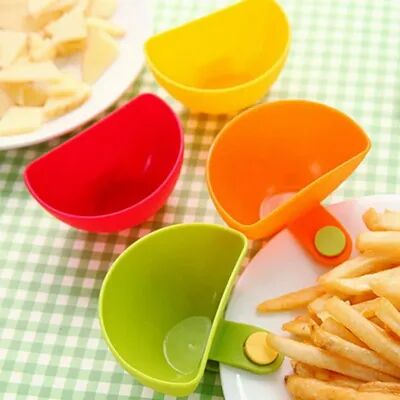
Smart Shopping Spot Household Kitchen Gadgets, Condiment Bowl Dip Clip, Multi purpose Sauce Dish, Vinegar Seasoning Container Household Kitchen Gadgets, Condiment Bowl Dip Clip, Multi purpose Sauce Dish, Vinegar Seasoning ContainerConvenient and Multifunctional Design: Introducing the 4pcs Condiment Bowl Dip Clip, an essential addition to your kitchen gadgets collection. This versatile sauce dish is perfect for holding everything from tomato sauce to vinegar, making it an...29,97 $*Shipping: 0,00 $Secure redirect to the provider
-
Nonin Medical NoninConnect™ Finger Pulse Oximeter with Bluetooth® Smart Wireless Technology""" NoninConnect™ Finger Pulse Oximeter with Bluetooth® Smart Wireless Technology for Clinicians and Patients — Nonin TruO2® OTC 3250 (OTC, No Prescription Required) The NoninConnect™ finger pulse oximeter is an over-the-counter (OTC) device , made..."299,00 $*Shipping: 0,00 $Secure redirect to the provider



-
To which substances do the elementary substances belong?
Elementary substances belong to the category of pure chemical elements. These are the basic building blocks of matter and cannot be broken down into simpler substances by ordinary chemical reactions. Examples of elementary substances include hydrogen, oxygen, carbon, and iron. Each element is defined by its unique atomic structure and properties. **
-
Why do polar substances dissolve in polar substances?
Polar substances dissolve in polar substances because they have similar intermolecular forces. Polar substances, such as water, have a partial positive and partial negative charge, which allows them to form hydrogen bonds with other polar molecules. When a polar substance is added to a polar solvent, the partial charges on the solvent molecules attract and surround the solute molecules, causing them to separate and disperse evenly throughout the solvent. This allows the polar solute to dissolve in the polar solvent, forming a homogeneous mixture. **
-
Why do substances dissolve in other substances or not?
Substances dissolve in other substances when the intermolecular forces between the solute and solvent are strong enough to overcome the forces holding the solute together. This allows the solute particles to become surrounded by solvent particles and spread out evenly throughout the solvent. On the other hand, substances may not dissolve in a particular solvent if the intermolecular forces between the solute and solvent are not strong enough to overcome the forces holding the solute together, or if the solute and solvent have incompatible polarities. **
-
Can organic substances split and combine with other substances?
Yes, organic substances can split and combine with other substances through chemical reactions. For example, organic compounds can undergo processes such as hydrolysis, where they split into smaller molecules by reacting with water. Additionally, organic substances can also combine with other substances through synthesis reactions, where new organic compounds are formed by combining smaller molecules. These chemical reactions are fundamental to the behavior and properties of organic substances in living organisms and in the environment. **


Which substances float?
Substances that are less dense than the liquid they are placed in will float. This includes materials such as wood, plastic, cork, and ice. **
Are colors pure substances or mixtures of substances and why?
Colors are mixtures of substances rather than pure substances. This is because colors are produced by the interaction of different wavelengths of light with the molecules of the material. For example, the color red is produced when an object absorbs all the wavelengths of light except for red, which is reflected back to our eyes. Therefore, colors are the result of a mixture of different wavelengths of light interacting with the molecules of the material, making them mixtures of substances. **
Top-Angebote
Products related to Substances:
-
Lush Living Finds Perforated Brick Assembly Toy Accessories With Technology Mechanical Wheels Perforated Brick Assembly Toy Accessories With Technology Mechanical WheelsEnhance Creativity with Technology Mechanical Wheels Unlock the power of innovation with our technology mechanical wheels, designed specifically for perforated brick assembly toy accessories. Whether you are a hobbyist or a seasoned builder, these...43,97 $*Shipping: 0,00 $Secure redirect to the provider
-
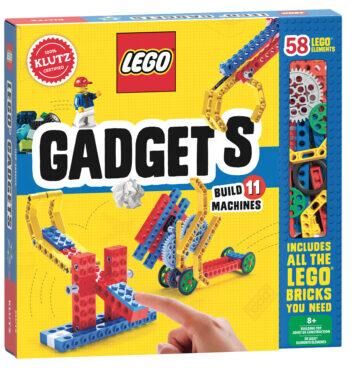
Klutz: LEGO GadgetsThis activity kit will have you building 11 machines including a gravity powered car and a wacky boxing robot. The fun doesn't stop once you've completed all of the projects in the book - open-ended prompts will inspire you to continue experimenting...24,99 $*Shipping: 0,00 $Secure redirect to the provider
-
Multisell Products Hub Magnetic Bottle Opener For Household Mineral Water Plastic Beverage Bottles And Cap Opening, Kitchen Accessories Gadgets blueEffortless Cap Opening for Everyday Kitchens Upgrade your routine with this 1 pcs Kitchen Accessories Gadgets Magnetic Bottle Opener for Household Mineral Water Plastic Beverage Bottles and Cap Opening designed for convenience and comfort. It makes...34,97 $*Shipping: 0,00 $Secure redirect to the provider
-
HARPERCOLLINS Creative Confidence by Tom & David Kelley – Unleashing Your Creative Potential & Innovation MindsetA powerful and inspiring book from the founders of IDEO, the award-winning design firm, on unleashing the creativity that lies within each and every one of us. Too often, companies and individuals assume that creativity and innovation are the domain of the ‘creative types’. But two of the foremost experts in innovation, design and creativity on the planet show us that each and every one of us is creative. In an entertaining and inspiring narrative that draws on countless stories from their work at IDEO, and with many of the world's top companies and design firms, David and Tom Kelley identify the principles and strategies that will allow us to tap into our creative potential in our work lives, and in our personal lives, allow us to think outside the box in terms of how we approach and solve problems. ‘Creative Confidence’ is a book that will help each of us be more productive and successful in our lives and in our careers.4,95 £*Shipping: 1,99 £Secure redirect to the provider
-
What are ion substances and molecule substances?
Ion substances are compounds made up of positively and negatively charged ions, such as sodium chloride (NaCl) or calcium carbonate (CaCO3). These substances are held together by electrostatic forces between the ions. Molecule substances, on the other hand, are made up of covalently bonded atoms, such as water (H2O) or carbon dioxide (CO2). These substances are held together by sharing electrons between the atoms. In summary, ion substances are composed of charged ions held together by electrostatic forces, while molecule substances are composed of covalently bonded atoms held together by shared electrons. **
-
To which substances do the elemental substances belong?
Elemental substances belong to the group of pure substances, which are made up of only one type of atom. These elemental substances are the building blocks of all matter and cannot be broken down into simpler substances by chemical means. Examples of elemental substances include hydrogen, oxygen, carbon, and gold. **
-
To which substances do the elementary substances belong?
Elementary substances belong to the category of pure chemical elements. These are the basic building blocks of matter and cannot be broken down into simpler substances by ordinary chemical reactions. Examples of elementary substances include hydrogen, oxygen, carbon, and iron. Each element is defined by its unique atomic structure and properties. **
-
Why do polar substances dissolve in polar substances?
Polar substances dissolve in polar substances because they have similar intermolecular forces. Polar substances, such as water, have a partial positive and partial negative charge, which allows them to form hydrogen bonds with other polar molecules. When a polar substance is added to a polar solvent, the partial charges on the solvent molecules attract and surround the solute molecules, causing them to separate and disperse evenly throughout the solvent. This allows the polar solute to dissolve in the polar solvent, forming a homogeneous mixture. **
Similar search terms for Substances
-
Smart Shopping Spot Household Kitchen Gadgets, Condiment Bowl Dip Clip, Multi purpose Sauce Dish, Vinegar Seasoning Container Household Kitchen Gadgets, Condiment Bowl Dip Clip, Multi purpose Sauce Dish, Vinegar Seasoning ContainerConvenient and Multifunctional Design: Introducing the 4pcs Condiment Bowl Dip Clip, an essential addition to your kitchen gadgets collection. This versatile sauce dish is perfect for holding everything from tomato sauce to vinegar, making it an...29,97 $*Shipping: 0,00 $Secure redirect to the provider
-
Nonin Medical NoninConnect™ Finger Pulse Oximeter with Bluetooth® Smart Wireless Technology""" NoninConnect™ Finger Pulse Oximeter with Bluetooth® Smart Wireless Technology for Clinicians and Patients — Nonin TruO2® OTC 3250 (OTC, No Prescription Required) The NoninConnect™ finger pulse oximeter is an over-the-counter (OTC) device , made..."299,00 $*Shipping: 0,00 $Secure redirect to the provider
-
Inspired Deals Smart LED Sonic Electric Toothbrush With IPX7 Waterproof Deep Cleaning Technology ToothbrushesUpgrade your daily routine with a cleaner, fresher smile that feels professionally polished every day. This IPX7 electric toothbrush is designed for adults who want powerful plaque removal without irritating sensitive gums. Featuring ultrasoft...109,97 $*Shipping: 0,00 $Secure redirect to the provider
-
Chicco Lullaby Playard with Electronics in ExplorerQuilted mattress is thickly padded for babys nap time or playtime comfort ; Removable mattress covering is easy to machine wash ; Changing table is elevated for ease of use and thickly padded for babys comfort ; Quilted bassinet is perfect for...149,99 $*Shipping: 0,00 $Secure redirect to the provider
-
Why do substances dissolve in other substances or not?
Substances dissolve in other substances when the intermolecular forces between the solute and solvent are strong enough to overcome the forces holding the solute together. This allows the solute particles to become surrounded by solvent particles and spread out evenly throughout the solvent. On the other hand, substances may not dissolve in a particular solvent if the intermolecular forces between the solute and solvent are not strong enough to overcome the forces holding the solute together, or if the solute and solvent have incompatible polarities. **
-
Can organic substances split and combine with other substances?
Yes, organic substances can split and combine with other substances through chemical reactions. For example, organic compounds can undergo processes such as hydrolysis, where they split into smaller molecules by reacting with water. Additionally, organic substances can also combine with other substances through synthesis reactions, where new organic compounds are formed by combining smaller molecules. These chemical reactions are fundamental to the behavior and properties of organic substances in living organisms and in the environment. **
-
Which substances float?
Substances that are less dense than the liquid they are placed in will float. This includes materials such as wood, plastic, cork, and ice. **
-
Are colors pure substances or mixtures of substances and why?
Colors are mixtures of substances rather than pure substances. This is because colors are produced by the interaction of different wavelengths of light with the molecules of the material. For example, the color red is produced when an object absorbs all the wavelengths of light except for red, which is reflected back to our eyes. Therefore, colors are the result of a mixture of different wavelengths of light interacting with the molecules of the material, making them mixtures of substances. **
* All prices are inclusive of VAT and, if applicable, plus shipping costs. The offer information is based on the details provided by the respective shop and is updated through automated processes. Real-time updates do not occur, so deviations can occur in individual cases. ** Note: Parts of this content were created by AI.